


Creatine. A useful consideration for mid-life women?
Table Of Contents
When people hear the word creatine, many immediately think of bodybuilding supplements or elite athletes. But creatine is not just for athletes — it’s a naturally occurring compound which is gaining attention as a simple, well-researched tool (over 500 studies so far) that may help support women post menopause. This is a time when energy, muscle strength, recovery, and mental clarity often start to feel less reliable.
Creatine is made naturally in the body from amino acids – the building blocks of proteins. Once made or consumed, creatine is stored primarily in skeletal muscle, with smaller but important amounts in the brain and other tissues. Your body produces creatine mainly in the liver and kidneys, and you can also obtain it from food, particularly red meat and seafood. This means vegans and vegetarians may also be naturally lower. It can be taken as a supplement – creatine monohydrate is the most studied and most reliable form. It is well absorbed, effective, and cost-efficient. Creatine characteristics vary between males and females, with males generally showing 5–15% higher intramuscular total creatine than females when matched for age and training status, which may be why women often respond more strongly to supplementation.
Energy reserves
Creatine’s key role is to help maintain the body’s energy reserves, especially so that it is available for short, intense bursts of activity. This includes:
- Resistance training
- Quick movements and balance corrections
- Mentally demanding tasks that require focus and processing
Many women describe menopause as feeling like their “battery doesn’t recharge as well.” Creatine may help buffer these energy fluctuations.
Muscle strength
Another area creatine can assist with is muscle strength. From around 40 yrs onwards, women become more vulnerable to age-related muscle loss (sarcopenia). The decline in oestrogen during perimenopause and menopause plays a role, but reduced physical activity, inadequate protein intake, and impaired muscle recovery all contribute.
Loss of muscle is not just a cosmetic issue, it affects metabolic health, bone strength, balance and falls risk.
Creatine is one of the most researched supplements for supporting muscle strength and lean mass, especially when combined with resistance training. Studies in older adults consistently show that creatine can enhance the gains achieved from strength training compared with training alone
Many women focus on weight changes during menopause, but strength and function are often more meaningful markers of health. Creatine appears to support functional performance, not just muscle size. In some studies of postmenopausal women, creatine supplementation alongside resistance training improved outcomes such as walking performance and physical function, even when changes in absolute strength were modest. In other words, creatine may help women move better, not just lift heavier.
Brain health
The brain is one of the most energy-hungry organs in the body. Cognitive complaints often labelled as brain fog are common in perimenopause and menopause.
Creatine is present in the brain and plays a role in neural energy metabolism. While the strongest evidence for creatine currently remains in muscle and physical performance, research has shown early beneficial promise in:
- Cognitive processing speed
- Mental fatigue (from sleep deprivation)
- Memory and attention time
Creatine supplementation doesn’t replace the body’s own production — it simply tops up cellular stores, helping muscles and brain tissue meet energy demands more reliably.
Bone health
Creatine supplementation, has been shown to reduce inflammation, oxidative stress, and serum markers of bone resorption while also increasing cells involved in bone formation. This has the potential to act as a possible countermeasure to the decrease in muscle, bone, and strength that occurs after menopause.
Safety
Creatine is generally well tolerated at doses of 3-10g per day, with some mild nausea, diarrhoea or short term water retention at higher doses in sensitive individuals.
One thing to be aware of higher doses of creatine >20g daily may temporarily change some kidney markers in some individuals. When having blood tests for kidney function it is best to stop supplementation or advise your health care provider that you are supplementing with it, so they can take that into account with interpretation of your results.
Bibliography
Antonio J, Candow DG, Forbes SC, Gualano B, Jagim AR, Kreider RB, Rawson ES, Smith-Ryan AE, VanDusseldorp TA, Willoughby DS, Ziegenfuss TN. Common questions and misconceptions about creatine supplementation: what does the scientific evidence really show? J Int Soc Sports Nutr. 2021 Feb 8;18(1):13. doi: 10.1186/s12970-021-00412-w. PMID: 33557850; PMCID: PMC7871530.
Forbes SC, Cordingley DM, Cornish SM, Gualano B, Roschel H, Ostojic SM, Rawson ES, Roy BD, Prokopidis K, Giannos P, Candow DG. Effects of Creatine Supplementation on Brain Function and Health. Nutrients. 2022 Feb 22;14(5):921. doi: 10.3390/nu14050921. PMID: 35267907; PMCID: PMC8912287
Groeneveld GJ, Beijer C, Veldink JH, Kalmijn S, Wokke JH, van den Berg LH. Few adverse effects of long-term creatine supplementation in a placebo-controlled trial. Int J Sports Med. 2005 May;26(4):307-13. doi: 10.1055/s-2004-817917. PMID: 15795816.
Gualano B, Macedo AR, Alves CR, Roschel H, Benatti FB, Takayama L, de Sá Pinto AL, Lima FR, Pereira RM. Creatine supplementation and resistance training in vulnerable older women: a randomized double-blind placebo-controlled clinical trial. Exp Gerontol. 2014 May;53:7-15. doi: 10.1016/j.exger.2014.02.003. Epub 2014 Feb 13. PMID: 24530883.
Kreider RB, Kalman DS, Antonio J, Ziegenfuss TN, Wildman R, Collins R, Candow DG, Kleiner SM, Almada AL, Lopez HL. International Society of Sports Nutrition position stand: safety and efficacy of creatine supplementation in exercise, sport, and medicine. J Int Soc Sports Nutr. 2017 Jun 13;14:18. doi: 10.1186/s12970-017-0173-z. PMID: 28615996; PMCID: PMC5469049.
Roschel H, Gualano B, Ostojic SM, Rawson ES. Creatine Supplementation and Brain Health. Nutrients. 2021 Feb 10;13(2):586. doi: 10.3390/nu13020586. PMID: 33578876; PMCID: PMC7916590.
Smith-Ryan AE, Cabre HE, Eckerson JM, Candow DG. Creatine Supplementation in Women’s Health: A Lifespan Perspective. Nutrients. 2021 Mar 8;13(3):877. doi: 10.3390/nu13030877. PMID: 33800439; PMCID: PMC7998865.
Xu C, Bi S, Zhang W, Luo L. The effects of creatine supplementation on cognitive function in adults: a systematic review and meta-analysis. Front Nutr. 2024 Jul 12;11:1424972. doi: 10.3389/fnut.2024.1424972. Erratum in: Front Nutr. 2025 Feb 17;12:1570800. doi: 10.3389/fnut.2025.1570800. PMID: 39070254; PMCID: PMC11275561.
The content in this article is provided for educational purposes and should not replace advice from your doctor or healthcare provider. If you're experiencing symptoms or have concerns about your health, please book an appointment with your GP or contact our clinic for a consultation. Individual circumstances vary, and treatment should always be tailored to your specific needs.
Share this article
Services from Elara Health

Exercise Physiology for Women’s Health

Preventive Health & Screening

Endometriosis Care

Mobile Fitness Coaching for Women’s Health
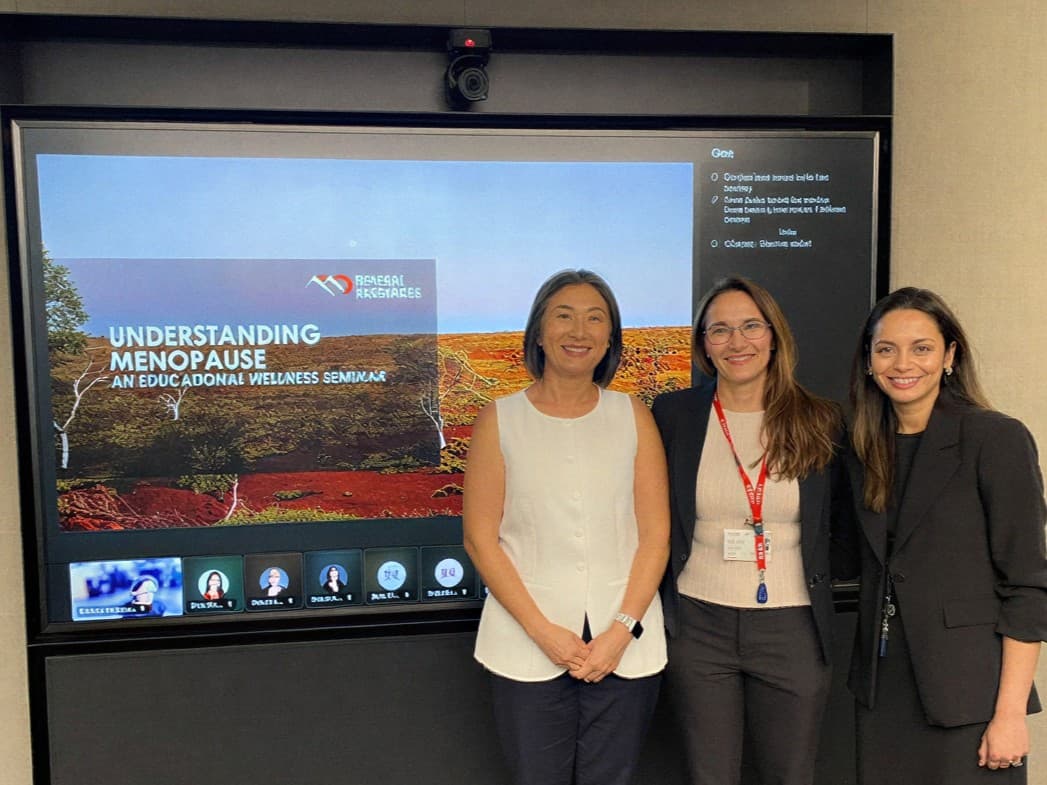
Menopause and the Workplace

Naturopathic Care for Women’s Health

Hormonal & Reproductive Health
Sexual Health & Wellbeing

Menopause and Perimenopause Treatment

Nutrition Assessment for Perimenopause & Menopause

Contraception & Family Planning

Therapy for Persistent Pelvic Pain

Pelvic Floor Physiotherapy

Discovery Call