Cold Thermogenesis (CT) or Cold Water Dipping
Table Of Contents
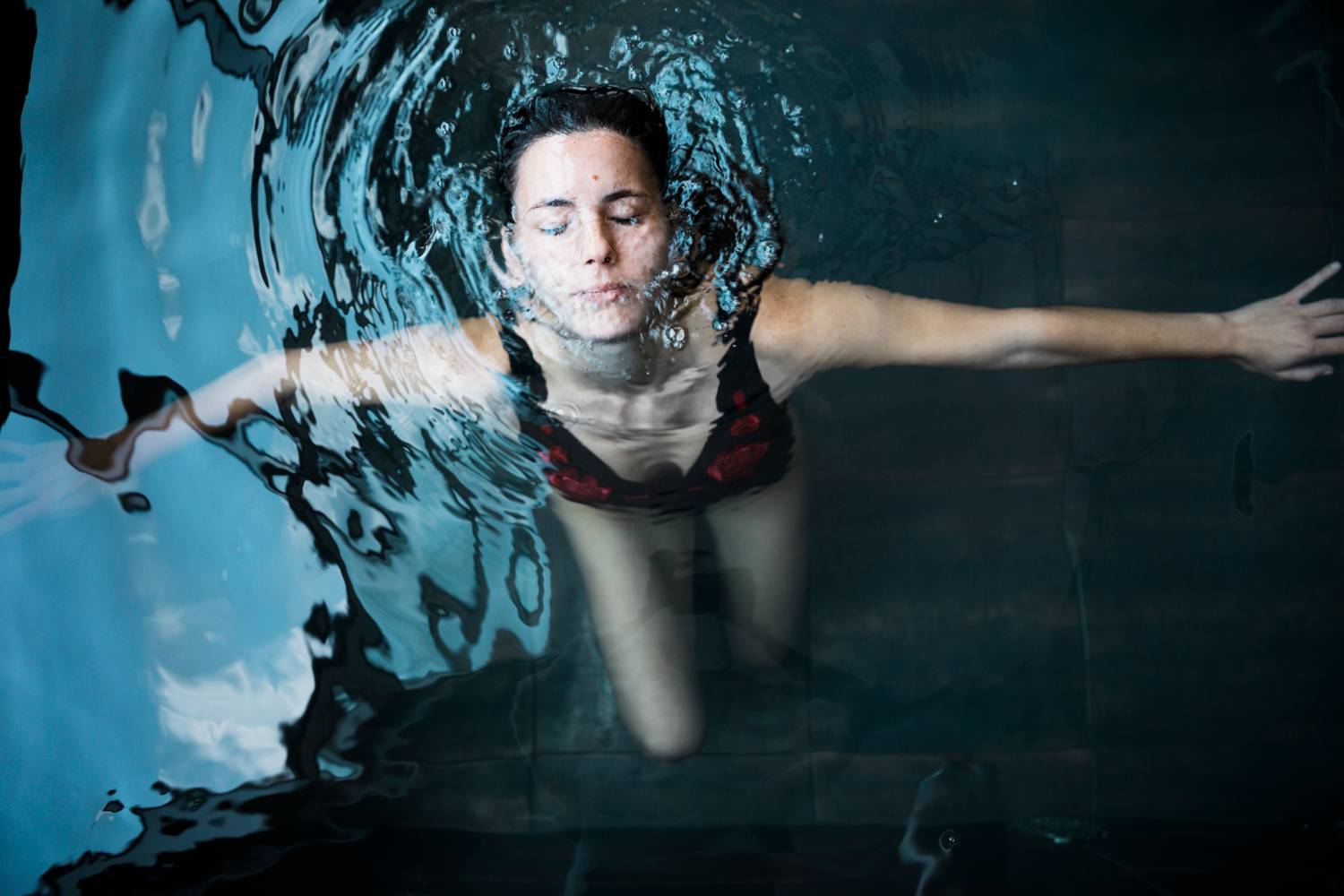
Cold-water dipping has gained increasing attention for its broad effects on metabolic, neurological, and psychological health. Regular exposure to cold water activates the sympathetic nervous system and quickly increases norepinephrine levels by up to 200–300%, supporting mood regulation, mental clarity, and improved stress resilience (Janský & Janák 2003; Shevchuk 2008). This neurochemical response is one of the reasons people often report a feeling of euphoria or enhanced focus following a dip.
Metabolic and Mitochondrial Enhancements
From a metabolic perspective, cold exposure stimulates brown adipose tissue (BAT) and enhances mitochondrial uncoupling — a process that increases energy expenditure and improves glucose metabolism (Van der Lans et al. 2013; Lee et al. 2014). This adaptation can support weight management, insulin sensitivity, and metabolic flexibility. Cold exposure also increases adiponectin, a hormone linked to reduced inflammation and better cardiometabolic health (Haman, 2020).
Anti-Inflammatory Effects and Recovery
Cold-water immersion has measurable anti-inflammatory effects. Research shows reductions in inflammatory markers such as CRP and IL-6, as well as improvements in antioxidant capacity (Peake et al. 2017). This may be particularly beneficial for clients with chronic inflammatory conditions, post-exercise recovery needs, or hormonal transitions like perimenopause and menopause, where inflammation can drive symptoms.
Cardiovascular Health and Autonomic Balance
The cardiovascular system also gains notable benefits. Repeated cold exposure improves vascular tone, enhances peripheral circulation, and increases parasympathetic (vagal) activity at rest (Kinoshita et al. 2006). This supports heart-rate variability (HRV), stress recovery, and autonomic balance.
Psychological Well-being and Resilience
Psychologically, regular cold dipping has been associated with decreased symptoms of mood disorders such as depression and anxiety, partly due to the intense activation of cold thermoreceptors and subsequent central nervous system stimulation (Shevchuk 2008). Many individuals describe a meditative, grounding quality to the ritual — connecting with nature, building resilience, and fostering a sense of empowerment.
Conclusion and Safety Considerations
Altogether, cold-water dipping is a simple, low-cost therapy that promotes mitochondrial efficiency, metabolic health, autonomic regulation, mood stability, and overall resilience. There are some cardiovascular conditions that cold water immersion may not be recommended for however, so it is always important to speak to your health provider first before commencing.
References
Imbeault, P., Dépault, I., & Haman, F. (2009). Cold exposure increases adiponectin levels in men. Metabolism, 58(4), 552–559. https://doi.org/10.1016/j.metabol.2008.11.017
Janský, L., Srámek, P., Savlíková, J., Ulicný, B., Janáková, H., & Horký, K. (1996). Change in sympathetic activity, cardiovascular functions and plasma hormone concentrations due to cold water immersion in men. European Journal of Applied Physiology and Occupational Physiology, 74(1–2), 148–152. https://doi.org/10.1007/BF00376507
Kinoshita, T., Nagata, S., Baba, R., Kohmoto, T., & Iwagaki, S. (2006). Cold-water face immersion per se elicits cardiac parasympathetic activity. Circulation Journal, 70(6), 773–776. https://doi.org/10.1253/circj.70.773
Lee, P., Brychta, R. J., Linderman, J. D., Smith, S., Chen, K. Y., & Celi, F. S. (2014). Irisin and FGF21 are cold-induced endocrine activators of brown fat function in humans. Cell Metabolism, 19(2), 302–309. https://doi.org/10.1016/j.cmet.2013.12.017
Lee, P., Smith, S., Linderman, J., Courville, A. B., Brychta, R. J., Dieckmann, W., … Celi, F. S. (2014). Temperature-acclimated brown adipose tissue modulates insulin sensitivity in humans. Diabetes, 63(11), 3686–3698. https://doi.org/10.2337/db14-0513
Peake, J. M., Roberts, L. A., Figueiredo, V. C., Egner, I., Krog, S., Aas, S., Suzuki, K., & Coombes, J. S. (2017). The effects of cold water immersion and active recovery on inflammation and cell stress responses in human skeletal muscle after resistance exercise. Journal of Physiology, 595(3), 695–711. https://doi.org/10.1113/JP272881
Shevchuk, N. A. (2008). Adapted cold shower as a potential treatment for depression. Medical Hypotheses, 70(5), 995–1001. https://doi.org/10.1016/j.mehy.2007.04.052
Van der Lans, A. A. J. J., Hoeks, J., Brans, B., Vijgen, G. H. E. J., Visser, M. G. W., Vosselman, M. J., Hansen, J., Jörgensen, J. A., Wu, J., Mottaghy, F. M., Schrauwen, P., & van Marken Lichtenbelt, W. D. (2013). Cold acclimation recruits human brown fat and increases nonshivering
The content in this article is provided for educational purposes and should not replace advice from your doctor or healthcare provider. If you're experiencing symptoms or have concerns about your health, please book an appointment with your GP or contact our clinic for a consultation. Individual circumstances vary, and treatment should always be tailored to your specific needs.
Share this article
Services from Elara Health

Contraception & Family Planning

Preventive Health & Screening
Naturopathic Care for Women’s Health
Sexual Health & Wellbeing

Therapy for Persistent Pelvic Pain
Pelvic Floor Physiotherapy

Endometriosis Care

Nutrition & Weight Management

Hormonal & Reproductive Health

Menopause and Perimenopause Treatment
Exercise Physiology for Women’s Health
Menopause and the Workplace

Mental Health & Wellbeing

Nutrition Assessment for Perimenopause & Menopause