

The Mediterranean Diet and Heart Health in Midlife: A Closer Look
Table Of Contents
TL;DR – The quick version
- As oestrogen declines through perimenopause and menopause, women lose a natural layer of protection against heart disease, and cardiovascular risk climbs from the 40s onward.
- The Mediterranean diet is one of the most researched eating patterns for heart health, linked to fewer heart attacks and strokes, better cholesterol, lower inflammation and improved blood pressure.
- It is a pattern, not a strict plan: olive oil, plenty of vegetables and wholegrains, regular fish, moderate dairy, and little red or processed meat.
- Start small: swap to extra-virgin olive oil, fill half your plate with vegetables, add two servings of fish a week, and snack on nuts.
- Diet works best alongside movement, good sleep, stress management and routine health screenings.
Why Midlife Changes the Heart Health Equation
For most of a woman’s reproductive life, oestrogen offers a degree of natural protection against cardiovascular disease, helping keep blood vessels flexible, cholesterol profiles favourable, and inflammation in check. As oestrogen declines through perimenopause and menopause, that protection fades. This is a major reason cardiovascular disease risk rises noticeably in the 40s, 50s, and beyond, and why heart disease is the leading cause of death for women overall.
Alongside this hormonal shift, other risk factors often become more common in midlife: rising LDL (“bad”) cholesterol, higher blood pressure, changes in body composition (particularly more abdominal fat), and increased insulin resistance. None of this is inevitable, and diet is one of the most modifiable levers available.
What Is the Mediterranean Diet, Exactly?
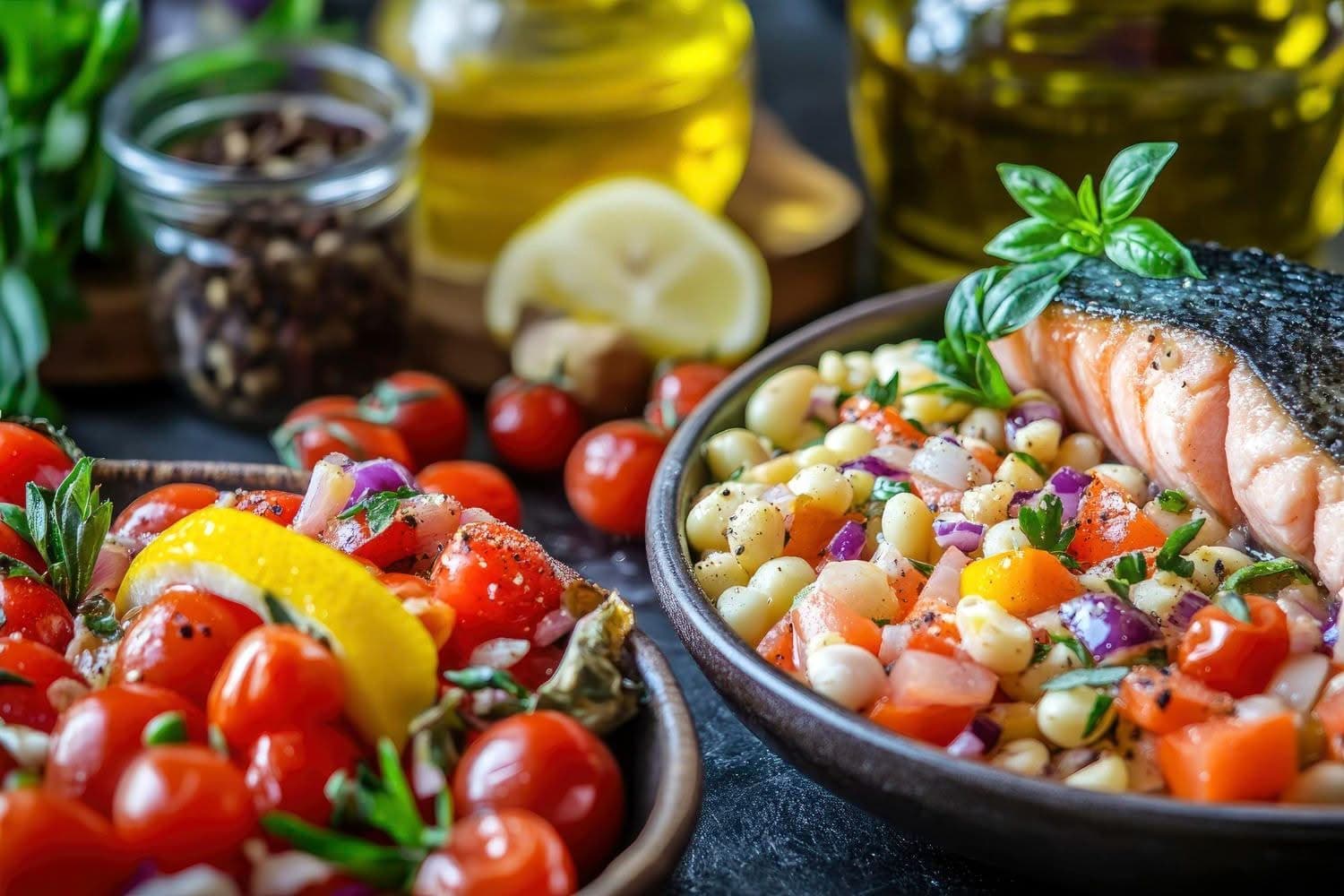
The Mediterranean diet isn’t a strict meal plan but a pattern of eating inspired by the traditional diets of countries bordering the Mediterranean Sea, Greece, Southern Italy, and Spain in particular. Core features include:
- Healthy fats: Olive oil replaces butter and other saturated fats as the main cooking fat.
- Plant-based meals: Vegetables, fruits, wholegrains, legumes, nuts, and seeds form the base of most meals.
- Fish and seafood: Eaten regularly, often two or more times per week, as the primary source of animal protein.
- Moderate dairy: Cheese and yoghurt in modest amounts, rather than large quantities.
- Limited red and processed meat: Eaten only occasionally, in small portions.
- Herbs and spices over salt: For flavour, which also helps naturally reduce sodium intake.
- Optional moderate red wine: Traditionally consumed with meals, though this element is entirely optional and not recommended for anyone who doesn’t already drink alcohol.
What the Evidence Shows
The Mediterranean diet is among the most extensively researched eating patterns for cardiovascular health, and the findings are notably consistent:
- Lower cardiovascular events: Large studies have linked the Mediterranean pattern to meaningfully reduced rates of heart attack, stroke, and cardiovascular death, compared with lower-fat or more Western dietary patterns.
- Improved cholesterol profiles: The diet is associated with lower LDL cholesterol and triglycerides, and in some studies, modest increases in protective HDL cholesterol.
- Reduced inflammation: Chronic low-grade inflammation contributes to the buildup of arterial plaque. Diets rich in olive oil, fish, and plant foods have been shown to lower markers of inflammation.
- Better blood pressure and blood vessel function: The combination of potassium-rich produce, healthy fats, and lower sodium intake supports healthier blood pressure and more flexible blood vessels.
- Metabolic benefits: The diet is linked to improved insulin sensitivity and a lower risk of developing type 2 diabetes, a condition that substantially raises cardiovascular risk.
Importantly, several of these benefits appear to hold specifically for women in midlife and beyond, a population that has historically been underrepresented in cardiovascular research.
Practical Ways to Start
Adopting a Mediterranean-style pattern doesn’t require perfection or an all-or-nothing approach. Small, sustainable shifts tend to work best:
- Switch your primary cooking fat from butter or vegetable oil to extra-virgin olive oil.
- Fill half your plate with vegetables at lunch and dinner.
- Add fish to your week, aiming for two servings, such as salmon, sardines, or mackerel.
- Snack on nuts instead of crisps or crackers. A small handful of almonds or walnuts is a good daily serve.
- Choose wholegrains over refined grains where possible (seeded breads, brown or black rice, barley, oats).
- Cut back gradually on red and processed meat, using legumes or fish in their place a few times a week.
- Season with herbs, garlic, and lemon instead of relying heavily on salt.
Mediterranean Diet Recipes to Try
The easiest way to make these principles stick is to have a handful of go-to meals you actually enjoy. The Australian Heart Foundation maintains a large, free library of heart-healthy recipes that align closely with a Mediterranean pattern, generous with vegetables, wholegrains and seafood, and light on saturated fat and salt. A few collections are a natural fit:
- Plant-based recipes – vegetable, legume and wholegrain dishes that mirror the base of the Mediterranean plate.
- One-pot recipes – simple, low-fuss meals that make weeknight cooking realistic.
- Meal-prep friendly recipes – batch-cook options to keep healthy meals within easy reach.
You can browse the full collection on the Heart Foundation recipes page.
Beyond the Plate
Diet is powerful, but it works best alongside other heart-healthy habits particularly relevant in midlife: regular physical activity (including strength training, which helps offset midlife muscle and bone loss), quality sleep, stress management, and staying on top of routine screenings for blood pressure, cholesterol, and blood sugar.
The Takeaway
Midlife hormonal changes do shift the cardiovascular risk landscape, but they don’t have to define it. The Mediterranean diet offers a well-researched, realistic, and enjoyable way to support heart health, one that emphasises real, flavourful food rather than restriction.
For further dietary guidance, book an appointment with our dietitian Mel, to ensure individual care that supports your health and lifestyle.
The content in this article is provided for educational purposes and should not replace advice from your doctor or healthcare provider. If you're experiencing symptoms or have concerns about your health, please book an appointment with your GP or contact our clinic for a consultation. Individual circumstances vary, and treatment should always be tailored to your specific needs.
Share this article
Services from Elara Health

Exercise Physiology for Women’s Health

Hormonal & Reproductive Health

Naturopathic Care for Women’s Health

Endometriosis Care

Nutrition Assessment for Perimenopause & Menopause

Pelvic Floor Physiotherapy

Therapy for Persistent Pelvic Pain

Menopause and the Workplace

Menopause and Perimenopause Treatment

Nutrition & Weight Management

Mobile Fitness Coaching for Women’s Health

Contraception & Family Planning

Discovery Call

Mental Health & Wellbeing