

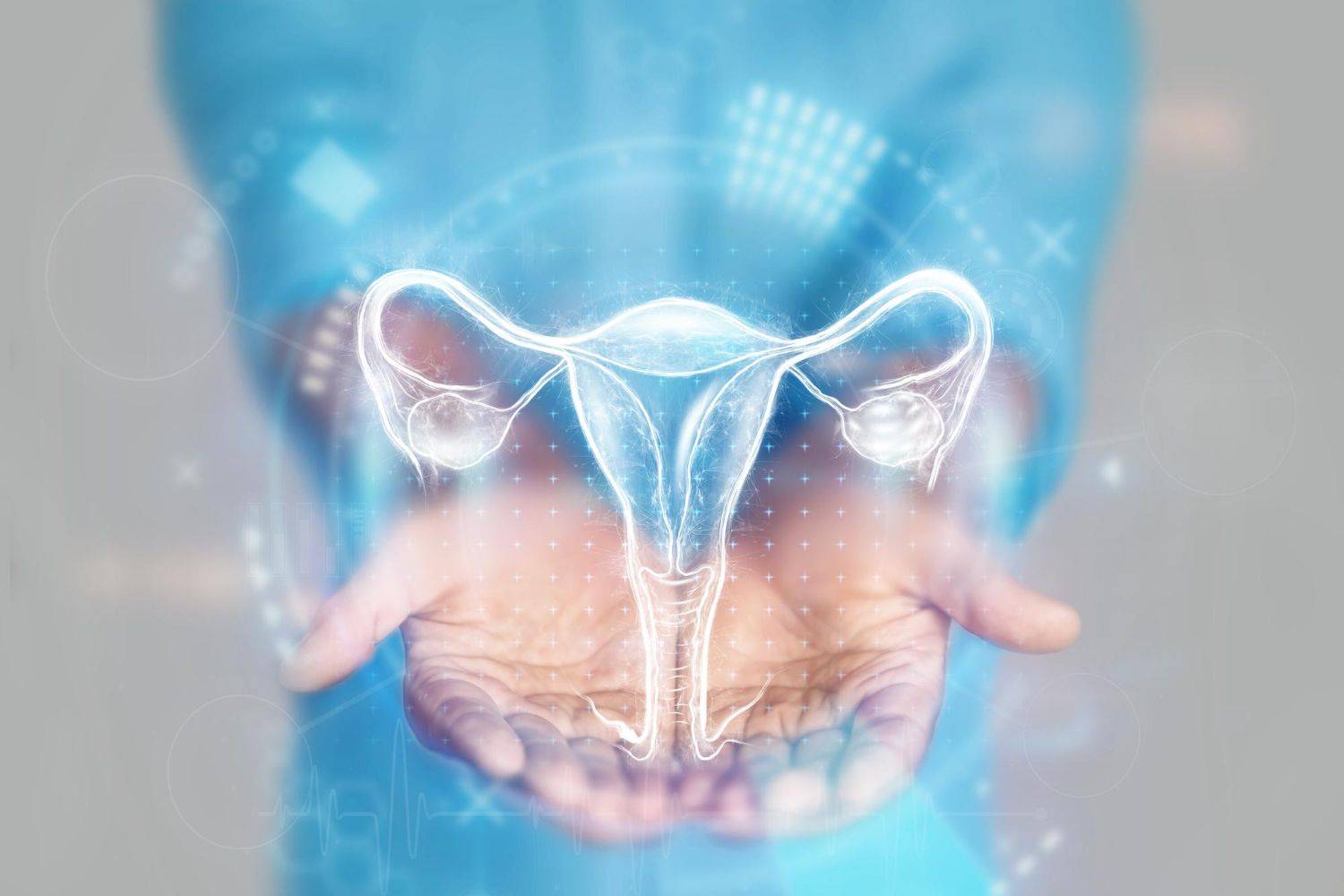
Ovarian Cancer – Awareness of early symptoms is key to improve the prognosis
Table Of Contents
TLDR
- 5 Australian women are diagnosed daily and 3 die each day from ovarian cancer
- It can affect women at any age but majority are over the age of 50 yrs
- 1:5 genetic link to the BRCA gene
- Women of Jewish ancestry are at higher risk of carrying the BRCA gene and could consider genetic testing
- Symptoms can be vague – the four key symptoms are bloating, abdominal pain, feeling full early and urinary symptoms
- New onset irritable bowel syndrome over the age of 50 years could be ovarian cancer
- Unexplained urinary symptoms over the age of 50 years should prompt investigation to exclude ovarian cancer
Background
Ovarian cancer is Australia’s most lethal female cancer with a 49% 5 year survival rate. 5 Australian women are diagnosed daily and 3 die each day from ovarian cancer. Hereditary factors account for approximately 20% of ovarian cancers and include inheriting a BRCA gene. Women of Ashkenazi Jewish descent have a higher incidence of BRCA gene mutations than the general population. Having a strong family history of ovarian, breast or some other cancers (colorectal or endometrial) can also be a risk factor for ovarian cancer. Talk to your GP about genetic testing if you fall into a higher risk group for ovarian cancer based on your family history.
Most ovarian cancer cases are diagnosed late hence the poor survival rate. It’s important to improve our early diagnosis rate and improve the prognosis. Increased public awareness of the symptoms of ovarian cancer can help to improve early diagnosis as often symptoms are vague and missed by women and their doctors leading to delayed diagnosis.
Symptoms
The key symptoms are:
- Abdominal/pelvic pain
- Persistent abdominal bloating
- Feeling full after eating a small amount
- Needing to urinate frequently
Other symptoms
- Change in bowel habit or IBS type symptoms
- Extreme fatigue
- Unexplained weight loss
- Heartburn
- Post menopausal bleeding
Diagnosis
Your GP can order a blood test called a CA125 and a transvaginal pelvic ultrasound scan. The CA125 test is not 100% accurate but the combination of testing and ongoing monitoring should lead to a conclusive diagnosis. Note that ovarian cancer is not detected by cervical cancer screening and this is a common misconception.
Prognosis
Stage 1 ovarian cancer has a 90% survival rate and is treated with surgery and chemotherapy with potentially excellent outcomes.
Pitfalls
- Thinking that a woman is too young to have ovarian cancer. Although it is certainly much more common in post menopausal women it can occur in younger women and diagnosis can be delayed as it is an unusual presentation. Dr Charlotte Badescu is a UK GP who presented to her doctor with 3 months of no periods, had an unusual hormone profile with markedly elevated oestrogen levels and was subsequently diagnosed with a rare type of ovarian cancer at the age of 31 years. She made a full recovery and now serves as a GP ambassador for Target Ovarian Cancer.
- Not considering ovarian cancer after a negative colonoscopy for new onset bowel symptoms after the age of 50 years.
- Not considering ovarian cancer after have recurrent UTI type symptoms with urine tests that are clear.
Ovarian Cancer Infographics
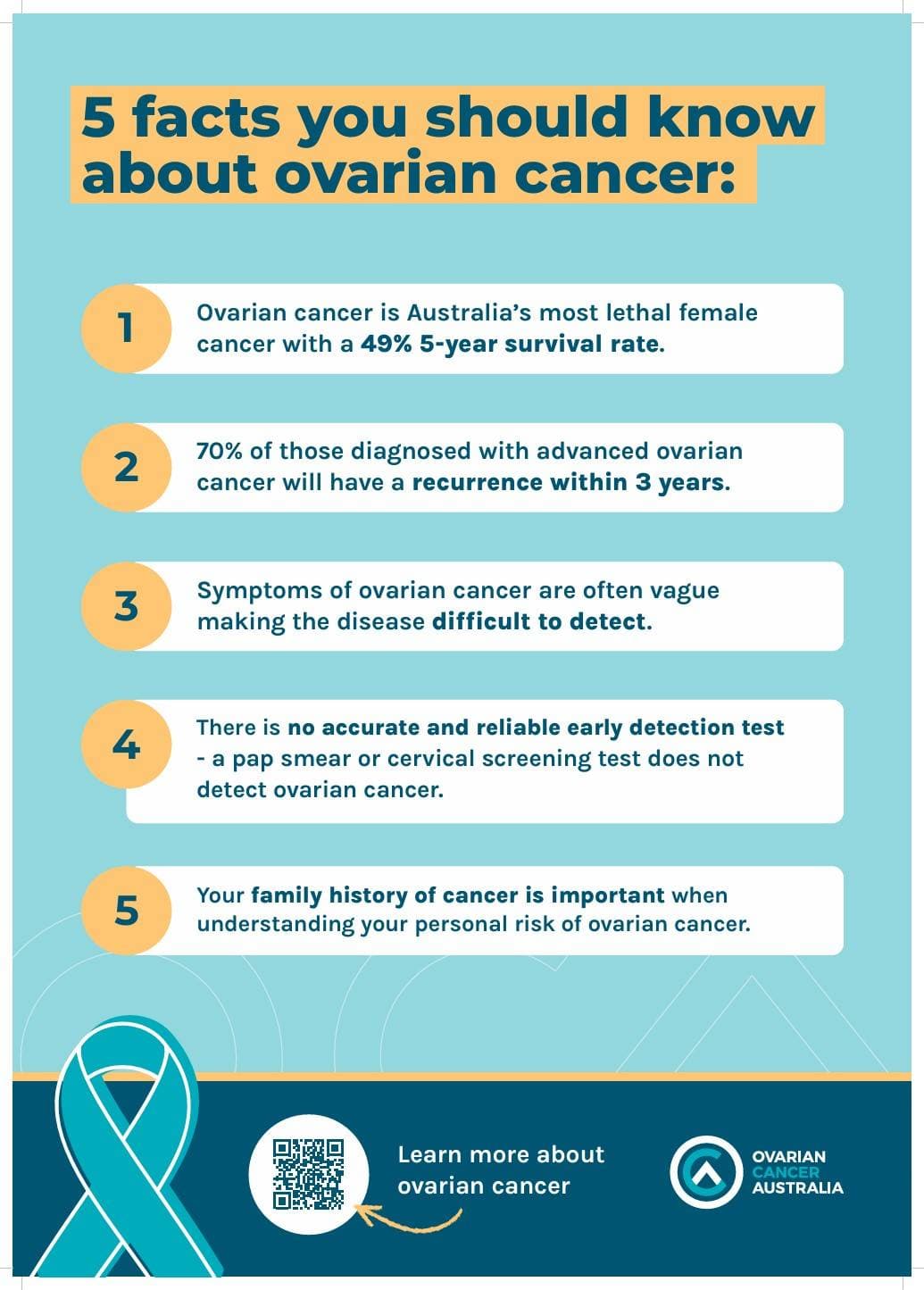
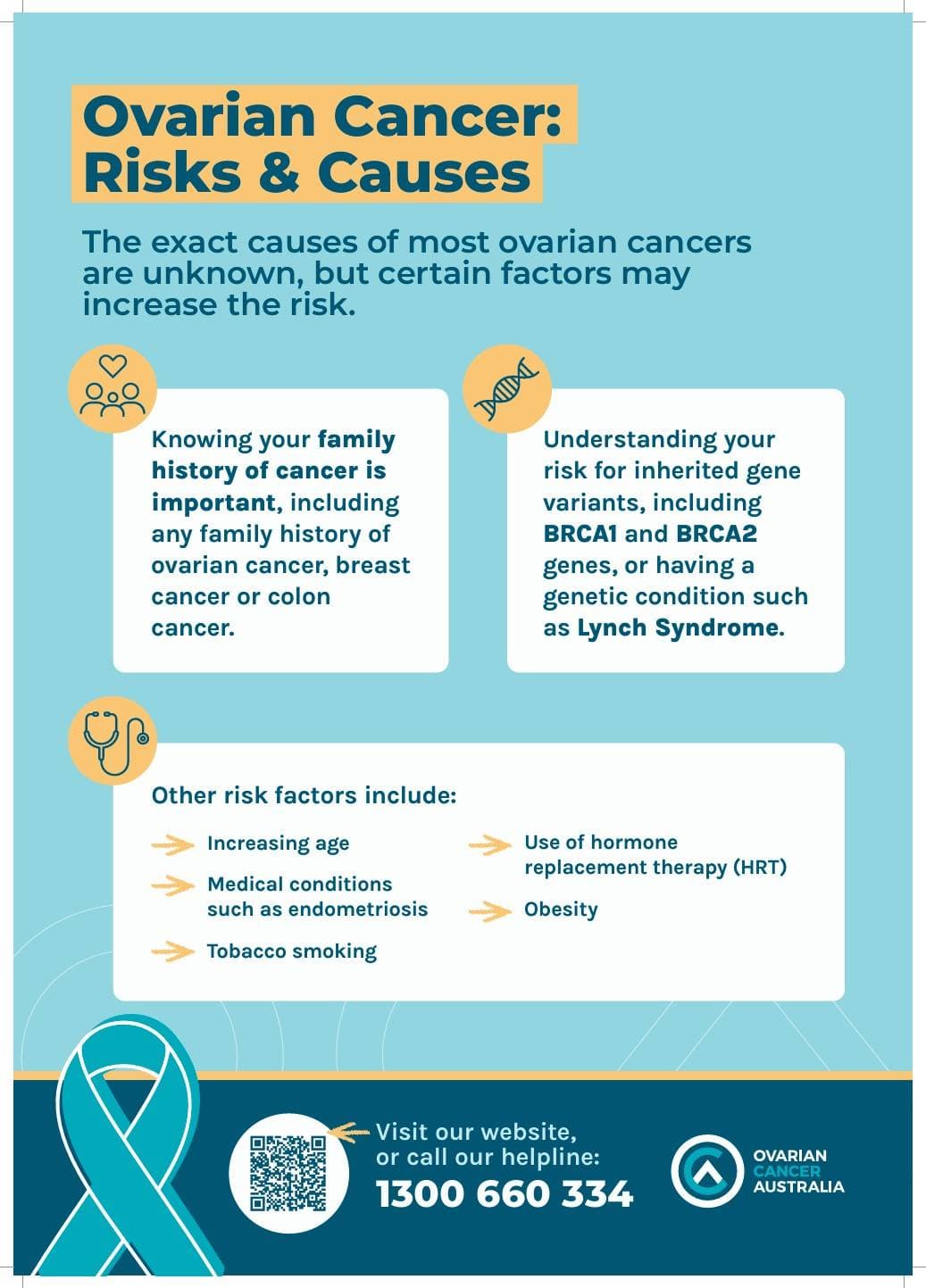
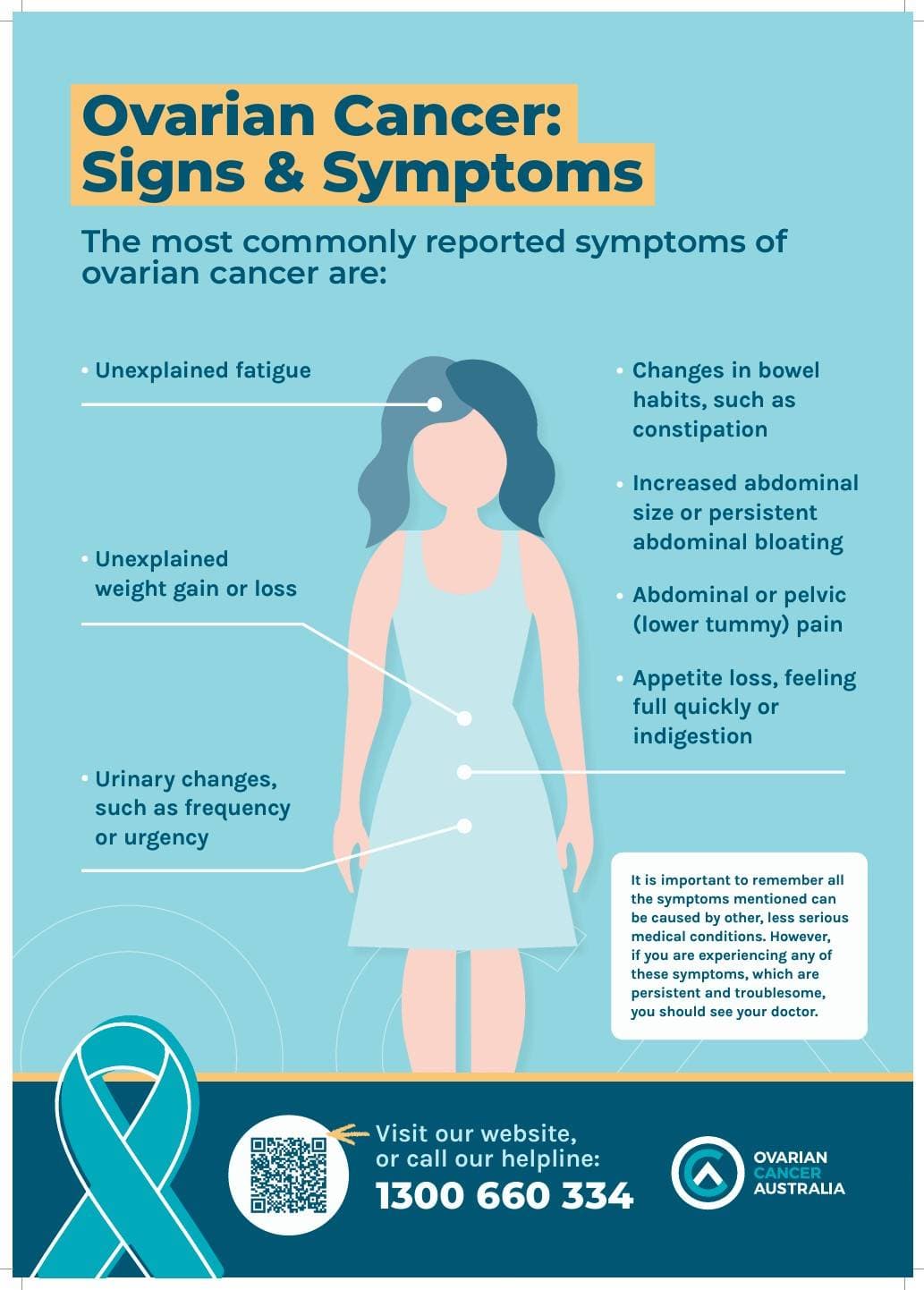
Infographics reproduced courtesy of Ovarian Cancer Australia.
The content in this article is provided for educational purposes and should not replace advice from your doctor or healthcare provider. If you're experiencing symptoms or have concerns about your health, please book an appointment with your GP or contact our clinic for a consultation. Individual circumstances vary, and treatment should always be tailored to your specific needs.
Share this article
Services from Elara Health

Hormonal & Reproductive Health

Therapy for Persistent Pelvic Pain

Preventive Health & Screening
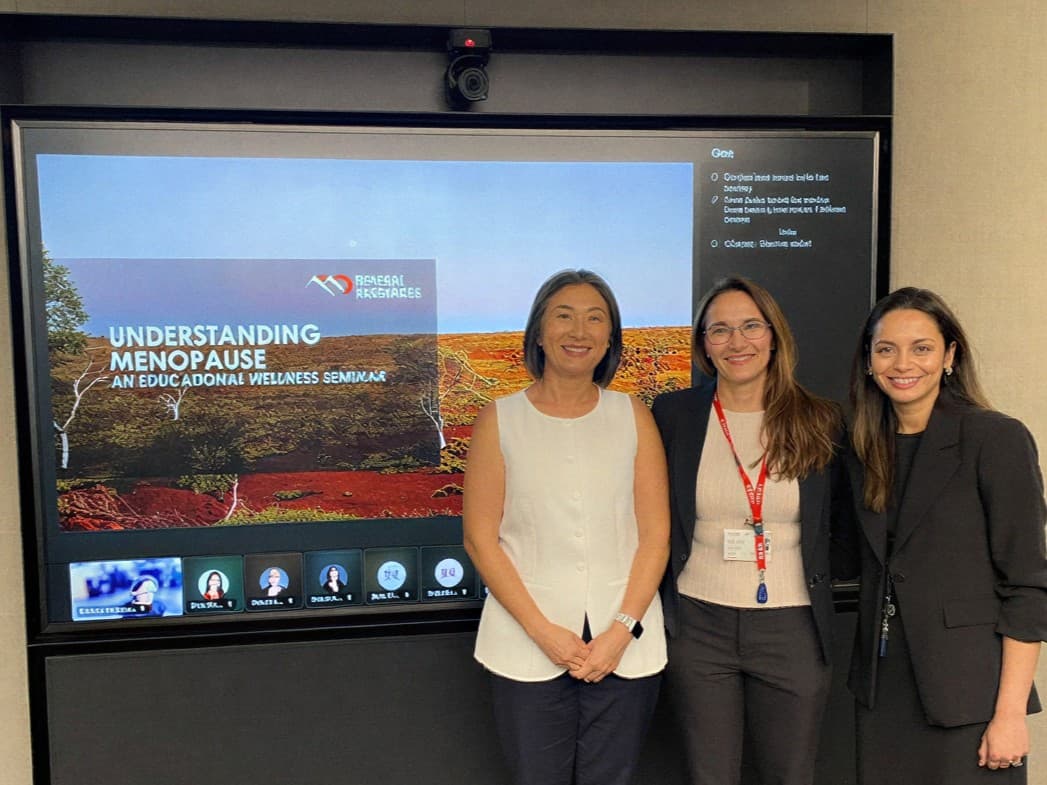
Menopause and the Workplace

Nutrition Assessment for Perimenopause & Menopause

Naturopathic Care for Women’s Health
Sexual Health & Wellbeing

Menopause and Perimenopause Treatment

Mental Health & Wellbeing

Discovery Call

Pelvic Floor Physiotherapy

Endometriosis Care

Contraception & Family Planning

Exercise Physiology for Women’s Health